Understanding Fiber Preservation Science
Explore the principles behind maintaining natural fiber textiles in challenging environmental conditions
Scientific Foundation
Our approach is based on understanding how natural fibers interact with environmental conditions.

Research-Based Methods
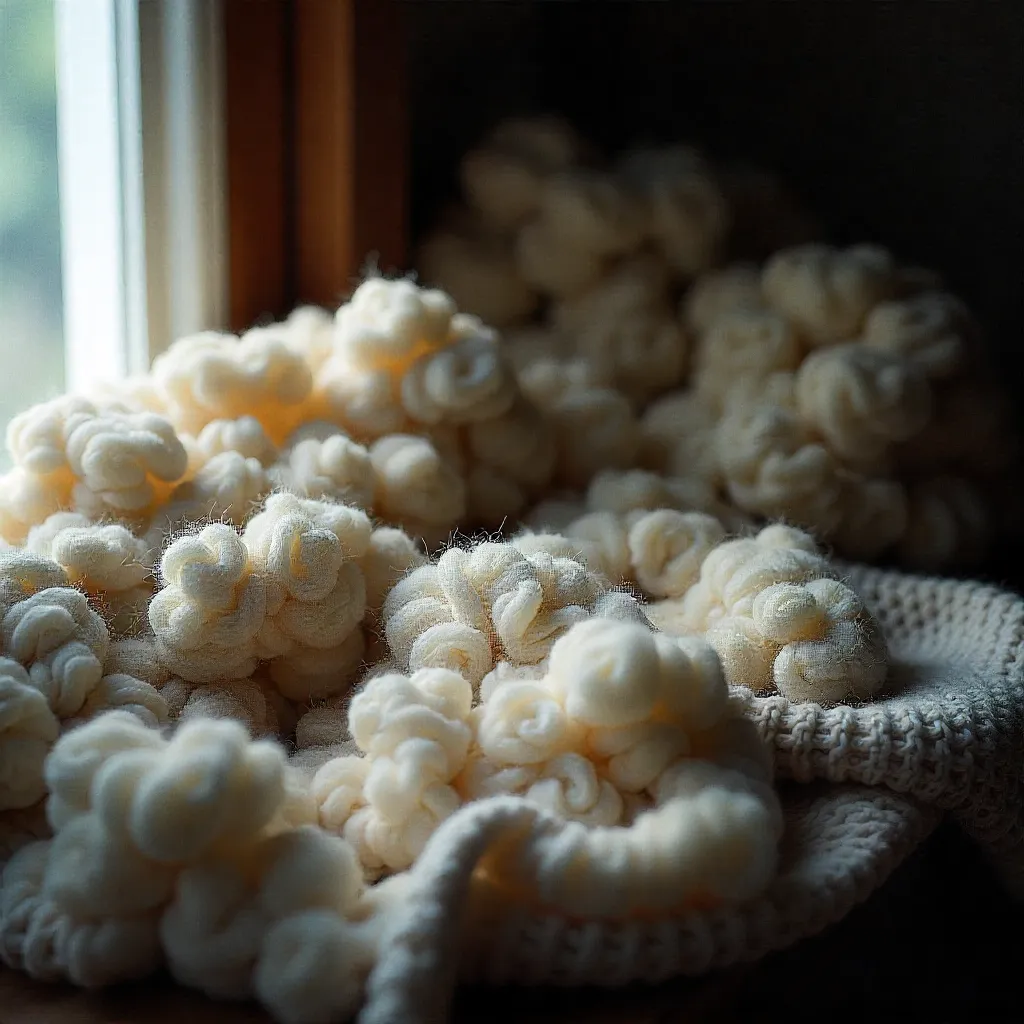
Natural fiber preservation requires understanding molecular-level interactions between fibers and their environment. In Finnish climate conditions, these interactions become particularly complex.
Temperature fluctuations, humidity variations, and seasonal changes all impact fiber structure differently. Wool and linen respond uniquely to these environmental factors.
Our methods are developed through observation of fiber behavior patterns and adaptation of preservation techniques to local climate characteristics.
Adapting to Finnish Conditions
Specialized techniques developed for Finland's unique climate challenges.

Winter Adaptation
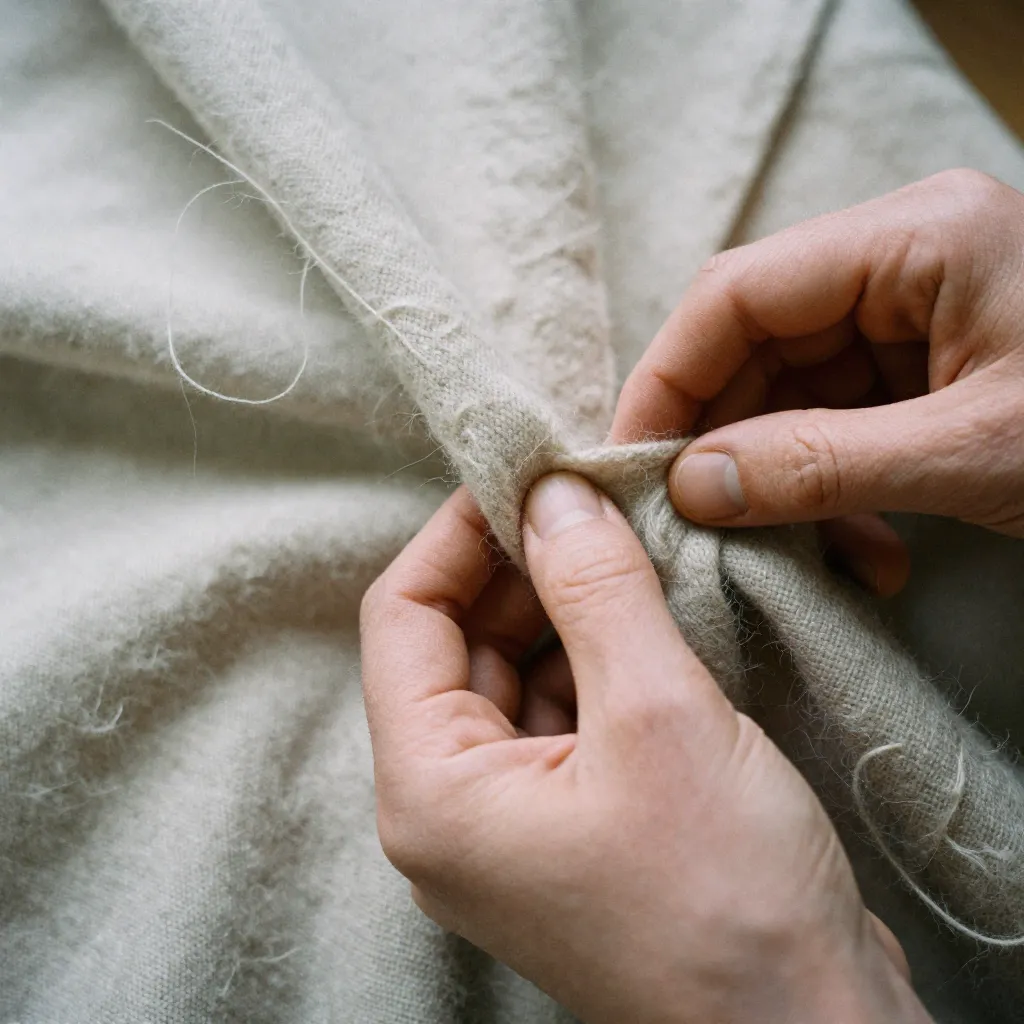
Indoor heating creates dry environments that challenge natural fiber preservation. Specialized techniques help maintain fiber moisture balance during extended heating seasons.
Humidity Control
Maintaining appropriate humidity levels prevents fiber damage. Understanding local humidity patterns enables effective preservation strategies throughout the year.

Seasonal Transitions
Adapting care methods to seasonal changes ensures consistent preservation. Different approaches work effectively during summer humidity and winter dryness periods.
Practical Implementation
Applying preservation knowledge through accessible, practical methods.
Accessible Techniques
Effective fiber preservation doesn't require specialized equipment. Simple methods, when applied consistently, can significantly extend textile lifespan.
Understanding basic principles enables individuals to adapt preservation techniques to their specific circumstances and local conditions.
Regular monitoring and gentle handling form the foundation of successful natural fiber care. These practices can be integrated into routine textile maintenance.

Sharing Preservation Knowledge
Building understanding of natural fiber care helps preserve valuable textiles for future generations.
Educational Resources
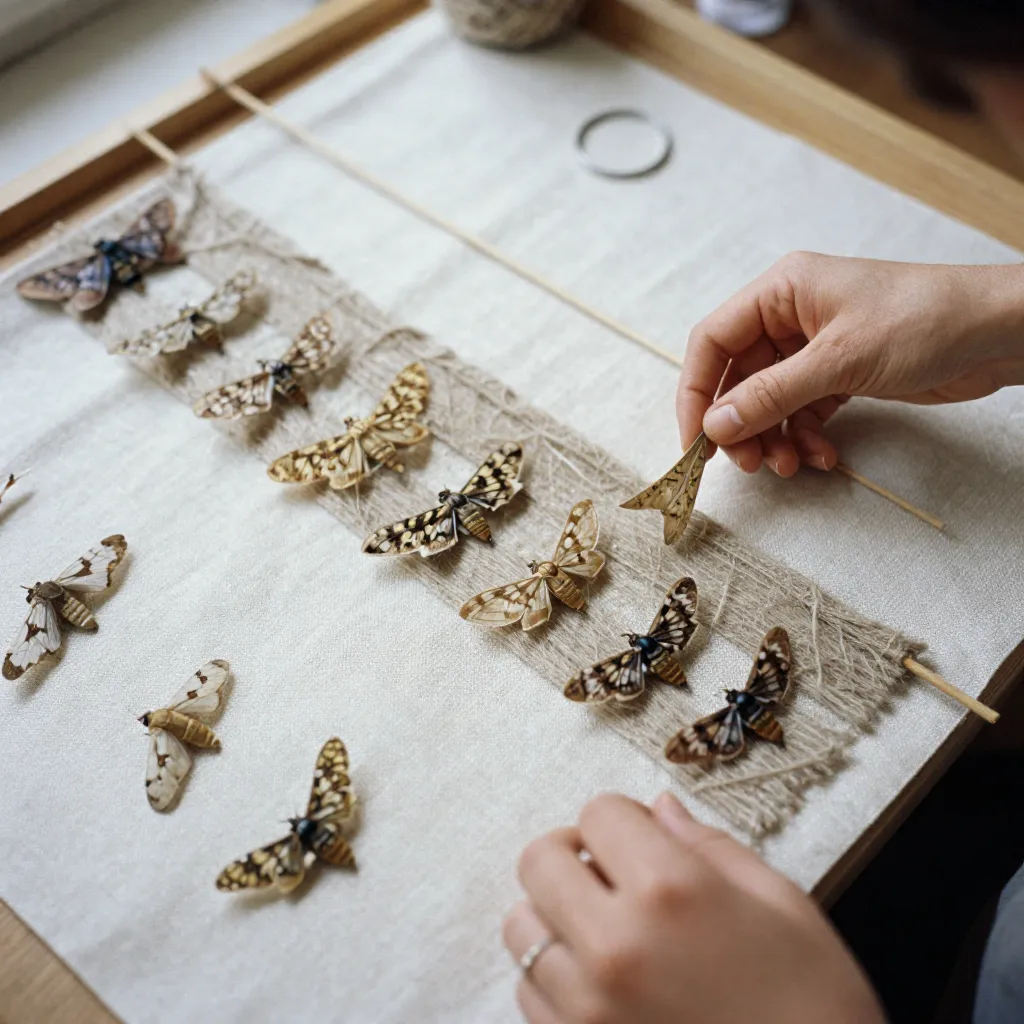
Sharing knowledge about natural fiber preservation helps others maintain their textiles effectively. Understanding fiber properties and environmental interactions creates a foundation for successful long-term care.
Through practical guidance and scientific understanding, individuals can develop preservation routines that work within their specific circumstances and climate conditions.