Climate and Fiber Interaction
Understanding how environmental conditions affect natural fiber textiles and developing effective preservation strategies
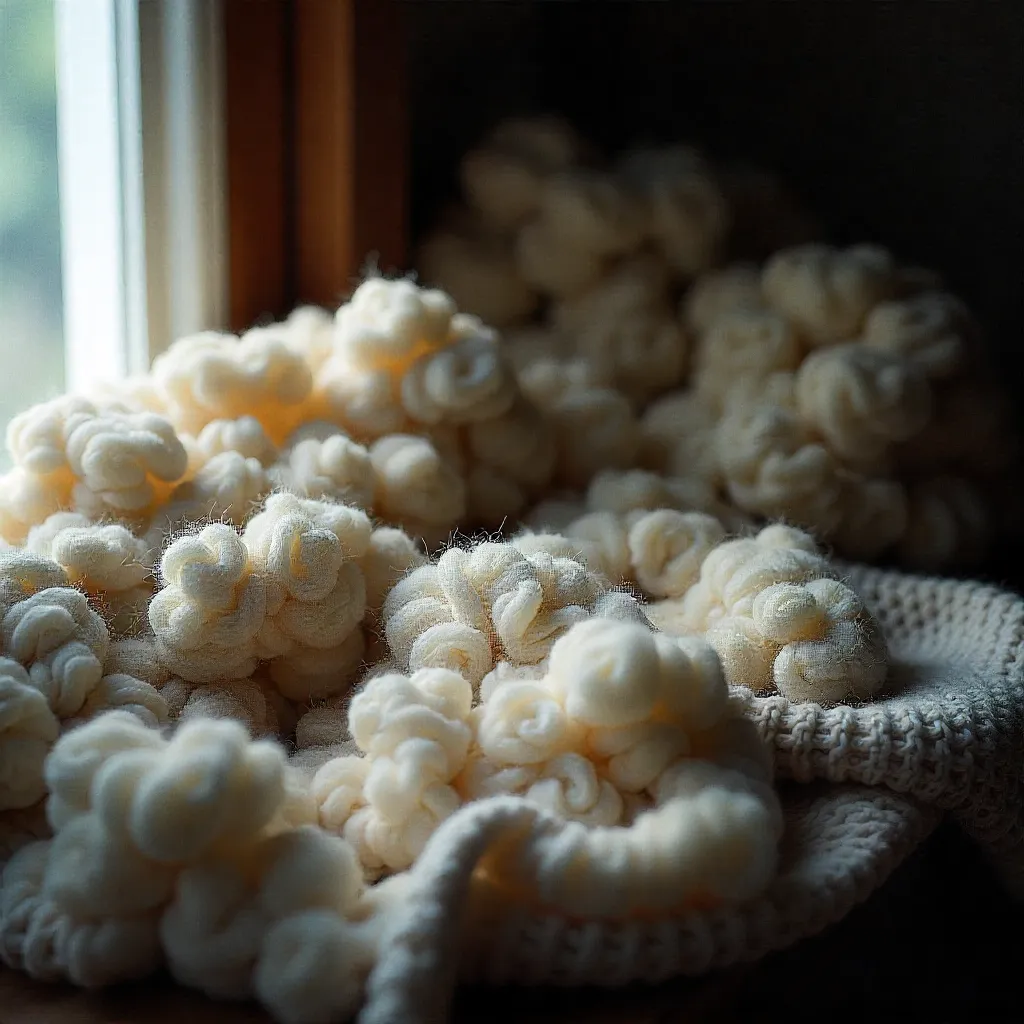
Temperature Variations
How temperature changes impact natural fiber structure and preservation needs.

Thermal Stress Factors
Natural fibers respond differently to temperature fluctuations. Understanding these responses helps prevent damage and maintain textile integrity over time.
Extreme temperatures can cause fibers to contract or expand, potentially leading to structural changes. Consistent temperature management helps preserve fiber properties.
Indoor heating systems create dry environments that challenge natural fiber preservation. Specialized techniques help maintain fiber moisture balance during extended heating seasons.
Humidity Control
Maintaining appropriate moisture levels is crucial for natural fiber preservation.

Optimal Humidity Levels
Maintaining humidity between 40-60% prevents fiber damage. Understanding local humidity patterns enables effective preservation strategies throughout the year.
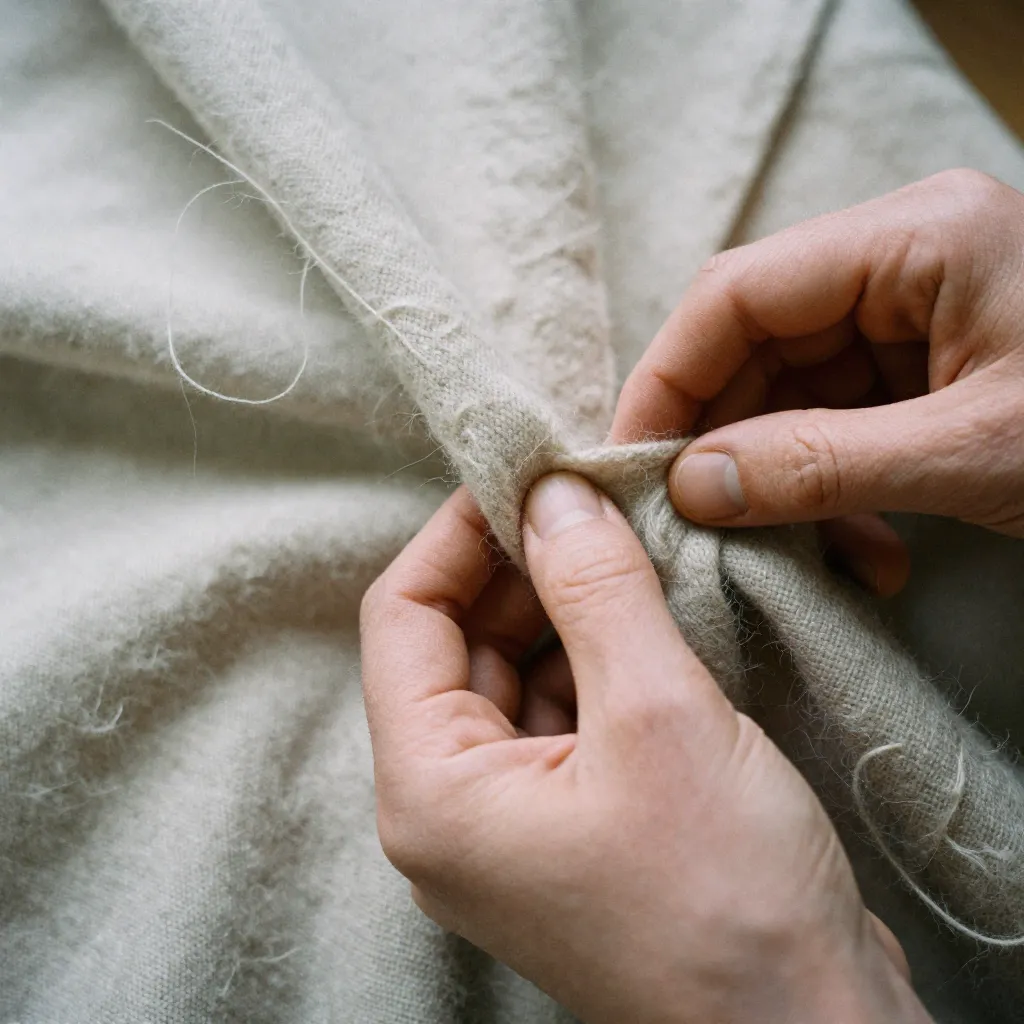
Monitoring Systems
Regular monitoring of humidity levels helps prevent damage before it occurs. Simple tools provide valuable information about storage environments.

Seasonal Adaptation
Adapting care methods to seasonal changes ensures consistent preservation. Different approaches work effectively during summer humidity and winter dryness periods.
Regional Climate Considerations
Understanding local climate characteristics helps develop effective preservation strategies.
Finnish Climate Challenges
Finland's climate presents unique preservation challenges. Long winters with indoor heating create dry environments, while summer periods bring increased humidity.
These seasonal variations require adaptive care methods. Understanding local climate patterns enables proactive preservation planning.
Creating microclimates within storage areas can protect valuable textiles from broader environmental fluctuations while maintaining natural fiber properties.

Adaptive Preservation Methods
Developing flexible care routines that respond to changing environmental conditions.
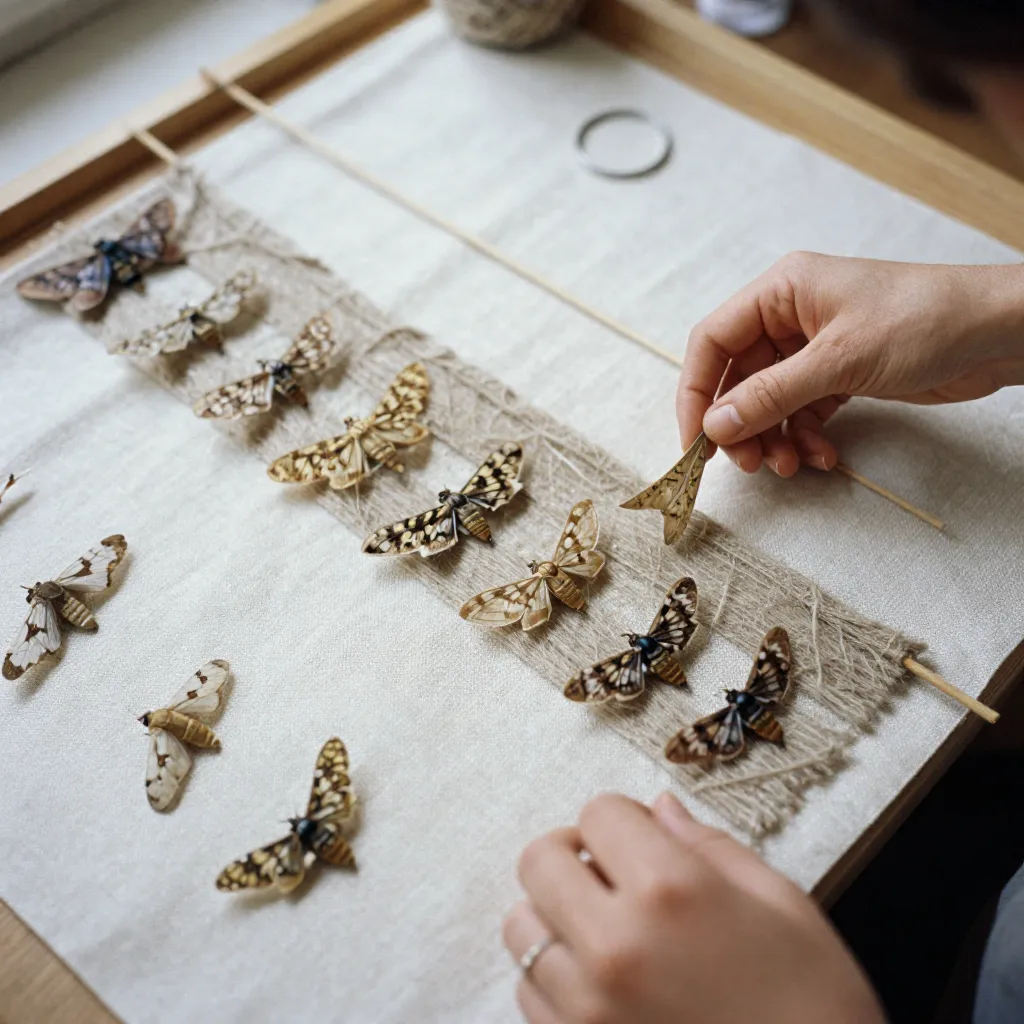
Flexible Care Approaches
Effective preservation requires adaptability to changing conditions. Understanding fiber behavior helps develop care routines that respond to environmental variations.
Regular assessment of storage conditions enables timely adjustments to preservation methods. Documenting environmental patterns provides valuable reference for future care decisions.
Building knowledge about climate-fiber interactions creates a foundation for successful long-term preservation in challenging environments.